
Common Lawn Insects in Medina and How Professional Treatments Protect Your Turf
If you want healthy, green grass all season, understanding lawn insect control in Medina, OH, is essential. Our cool-season lawns can look great in spring, then fade fast when hidden pests start feeding. The good news is that professional monitoring and treatments from Welcome Home Lawn Care can stop problems early and protect your yard before damage spreads.
Why Lawn Insects Are a Big Deal in Medina, OH
Medina sits in Northeast Ohio, where spring rains, warm summers, and cool falls create ideal conditions for turf growth and, unfortunately, for insect populations. Kentucky bluegrass, perennial ryegrass, and fescues thrive here, yet these same grasses are favorites for several pests. When insects feed on roots, crowns, or blades, lawns thin out, weeds move in, and irrigation or fertilizer no longer delivers results. Fast action keeps small patches from turning into bare spots.
White Grubs: The Underground Root Eaters
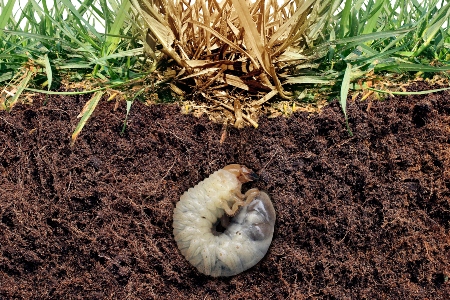
White grubs are larvae of beetles that lay eggs in mid to late summer. As the grubs hatch, they feed on grassroots and can strip a lawn from below the surface. Homeowners often notice brown patches that lift like a loose carpet because the roots are gone. Wildlife like skunks and raccoons may dig at night searching for the grubs, which makes the damage even worse.
Professionals look at the number of grubs per square foot, the size of the larvae, and soil moisture to decide on the next steps. Preventive treatments are timed before peak egg hatch, while curative options target active feeding. Prevention is more effective than cure for grubs, so timing matters in Medina's summer weather pattern.
Chinch Bugs: Tiny Pests That Love Hot, Dry Turf
Chinch bugs are surface feeders that thrive during hot, dry stretches. They pierce blades and suck out sap, injecting toxins that cause straw-colored patches. Damage usually appears in sunny areas and along sidewalks or driveways, where heat builds up. Because the damage can mimic drought stress, many homeowners water more, yet the spots still expand.
During an inspection, a lawn tech checks thatch thickness, sun exposure, and the edges of damaged turf. When chinch bugs are active, targeted treatments combined with proper cultural practices help the lawn recover. Act fast when patches spread in days, since populations can build quickly in July and August.
Sod Webworms and Cutworms: Night Mowers
Sod webworms and cutworms are caterpillars that feed at night. You might see small tan moths fluttering at dusk or notice tiny green pellets and silken tunnels in the thatch. These pests clip off blades and crowns, leaving ragged, pockmarked areas that do not respond to watering. Birds pecking repeatedly at the same spot can be another clue that they are finding caterpillars to eat.
Pros identify whether the feeding is light or heavy and select products that work for the current life stage. Follow-up monitoring confirms the population is under control and that new growth is filling in.
Billbugs: The "Sawdust" Clue in Early Summer
Billbugs are weevils that lay eggs in stems. When their larvae feed inside the plant, the base of the grass looks like it is filled with sawdust. Early summer is the tell for billbugs in Medina, with wilted stems that break off easily at the crown. Because symptoms resemble drought or dull mower blades, many people do not realize insects are the cause.
Professional programs time treatments to adult activity and early larval stages. The right timing limits damage and reduces the need for larger corrective steps later.
Armyworms: Rapid, Widespread Chewers
Armyworms can march across lawns and strip green color in a short time, especially after warm, wet stretches that favor egg survival. They feed on blades and leave a uniform, scalped look that appears almost overnight. When conditions are set up for a surge, regular scouting helps catch activity before large areas are affected.
Technicians monitor weather patterns, degree days, and field reports to determine whether extra monitoring is needed. If armyworms appear, fast-acting treatments, paired with close follow-up, help prevent damage from spreading to neighboring sections.
What Professional Inspections Look For
Good insect control starts with a trained eye and a consistent process. During a service visit, your technician will:
- Check turf density and root health by gently lifting at the edges of damaged spots.
- Examine the thatch for frass, silk tunnels, or live insects that indicate the exact pest.
- Map sun, shade, and heat zones that influence where pests concentrate.
- Note watering patterns, mowing height, and soil conditions that affect pest pressure.
- Record findings to guide timing for future preventive treatments.
This approach avoids guesswork and ensures the product, rate, and timing fit the active life stage. It also helps separate insect injury from disease or drought stress, which can look similar from a distance.
Clear Signs You Might Have an Infestation
Some symptoms point strongly to insect activity. If you see one or more of these, schedule a professional inspection:
- Patches that turn tan fast, even with regular watering.
- Grass that lifts like a loose rug because roots are missing.
- Birds pecking or animals digging in the same areas night after night.
- Ragged, chewed blades and tiny green pellets in the thatch.
- Spots expanding from hard, sunny edges inward across the yard.
Never ignore skunk or raccoon digging, since it often means grubs are present below the surface.
In Medina County, early detection saves turf. After warm, wet early summers, egg hatch and feeding can spike. A scheduled inspection window before the July heat helps prevent surprise damage later.
How Professional Insect Control Programs Protect Your Lawn
Comprehensive programs combine routine scouting with targeted treatments. Instead of a one-size-fits-all approach, your plan is built around your grass type, sun exposure, and past insect patterns. Here is how a professional program from Welcome Home Lawn Care keeps your turf safe:
Seasonal monitoring prevents surprises. Regular visits catch activity when it is light and easier to manage. By confirming the pest, the technician can choose a product that fits the situation and avoid unnecessary applications.
Targeted timing stops life cycles. Preventive grub applications are scheduled before peak egg hatch. Curative products are used only when needed and selected based on the size of the grubs or caterpillars present. Chinch bug treatments focus on hot, sunny areas where populations build first.
Integrated strategies support long-term health. Balanced fertility, proper mowing height, and thatch management all help grass outgrow minor feeding. Your tech will align these steps with treatment windows so the lawn rebounds faster and resists future outbreaks.
Clear communication matters. You receive service notes that explain what was found, what was treated, and what to expect over the next two weeks. Photos or maps may highlight areas to watch, especially during late summer when conditions can change fast in Medina.
Timing Matters in Northeast Ohio
In our area, timing drives results. While weather shifts year to year, your plan typically follows this rhythm:
Late spring brings a focus on prevention. That is when professionals line up grub protection to stop the next generation from feeding. Summer visits concentrate on chinch bugs, sod webworms, and cutworms that thrive in heat. Late summer and early fall are when intensive grub scouting is most important, as root feeding peaks and lawns can decline quickly. A final fall assessment checks that the turf is stable as it heads into winter dormancy.
Your technician adjusts for rainfall, heat waves, and site-specific factors like heavy clay or shady sections. Calibrating to real conditions is what keeps Medina lawns thick and resilient.
Neighborhood Conditions We See Around Medina
Mature lawns near Medina Square often have deeper thatch and tree competition, which can hide sod webworms and limit recovery after feeding. Newer subdivisions around Fox Meadow and parts of Montville Township may show chinch bug pressure along sunbaked sidewalks and south-facing driveways. Open lots with compacted soil can see faster grub damage because roots are already stressed. Each site tells a story, and your plan should match how the property drains, heats up, and is used.
What to Expect After Treatment
After an application, feeding should slow within days, then thin areas start to fill in as the grass recovers. Your technician may schedule a follow-up visit to confirm control and check new growth. Keep kids and pets off treated areas until the application is dry, which is usually the same day, then use the lawn as normal. Results vary with weather, grass type, and how long insects were active, yet the trend should be clear within a couple of weeks.
Why Homeowners Choose Welcome Home Lawn Care
Local experience matters with insect control in Medina, OH. Our team understands how a cool, wet May or a hot, dry July changes pest pressure and the right response. We build programs around prevention, precise timing, and steady communication so you always know what is happening under your feet. When issues pop up, you get quick support and a plan to protect the rest of your yard.
Ready to Protect Your Turf?
If you have suspicious spots or you want a season-long plan that prevents insect damage before it starts, schedule a professional evaluation with Welcome Home Lawn Care today. Call 216-339-7430 to get on the calendar and keep your lawn healthy through the Medina growing season.
We're the top choice for lawn care services in Medina. Contact us to schedule insect control for your Medina-area property.
Contact Us Today
We're Ready to Help!